PCOD / PCOS and Chocolate Cyst management
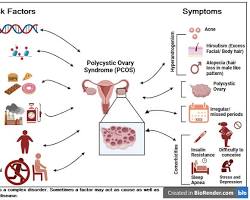
COD (Polycystic Ovary Disorder), also commonly known as PCOS (Polycystic Ovary Syndrome), is a lifelong condition with no cure, but its symptoms can be effectively managed through a combination of lifestyle changes and medical treatments.
The treatment approach is generally tailored to the individual’s specific symptoms, severity, and whether they are trying to become pregnant.
Here are the main categories of treatment:
1. Lifestyle Changes (Often the First-Line Treatment)
Lifestyle modifications are crucial and can significantly improve symptoms, especially if overweight.
- Weight Management: Losing even a small amount of weight (5-10% of body weight) can help regulate menstrual cycles, improve ovulation, and reduce insulin and androgen levels.
- Dietary Adjustments:
- Focus on a healthy, balanced diet rich in whole foods (whole grains, fruits, vegetables, lean proteins, healthy fats).
- Choose low Glycemic Index (GI) foods, as they help stabilize blood sugar and insulin levels, which is key to managing PCOS.
- Limit refined carbohydrates, sugars, and processed foods.
- Regular Exercise: A combination of aerobic and strength training helps lower blood sugar, improve insulin sensitivity, and assist with weight control.
- Stress Management: Techniques like yoga, meditation, and adequate sleep can help manage stress, which can affect hormone balance.
2. Medical Treatments
Medications are used to manage specific symptoms:
A. For Irregular or Absent Periods
- Combined Oral Contraceptive Pills (The Pill): These pills contain estrogen and progestin. They are often the primary long-term treatment if pregnancy is not desired. They:
- Regulate the menstrual cycle.
- Decrease androgen (male hormone) production, which helps reduce excessive hair growth and acne.
- Lower the risk of endometrial cancer associated with not having regular periods.
- Progestin Therapy: Taking progestin for 10-14 days every 1-3 months can induce a period and protect the uterine lining, but it does not prevent pregnancy or improve androgen levels.
B. For Infertility (When trying to conceive)
- Ovulation Induction Medications:
- Clomiphene (Clomid): An oral anti-estrogen drug that stimulates the monthly release of an egg (ovulation).
- Letrozole (Femara): An oral medication that is often used off-label to stimulate the ovaries and encourage ovulation, sometimes with better results than clomiphene.
- Metformin: An anti-diabetic drug that improves insulin resistance and lowers insulin levels. It may be used alone or added to clomiphene/letrozole to help with ovulation.
- Gonadotropins: Hormone injections sometimes used if oral medications are not successful.
- Surgical Options: Laparoscopic Ovarian Drilling (LOD) is a minor procedure that can sometimes lower androgen production and promote ovulation if medications fail.
- In Vitro Fertilization (IVF): May be an option if other treatments do not lead to pregnancy.
C. For Excessive Hair Growth (Hirsutism) and Acne
- Combined Oral Contraceptive Pills: As mentioned above, they reduce androgen levels.
- Anti-androgen Medications (e.g., Spironolactone): These drugs block the effects of androgen on the skin and are often taken with birth control because they can cause birth defects if pregnancy occurs.
- Eflornithine Cream: A cream used to slow the growth of unwanted facial hair.
- Cosmetic Treatments: Electrolysis or laser hair removal can also be used for long-term hair removal.
D. For Insulin Resistance
- Metformin: Used to improve the body’s response to insulin.
It is essential to consult with a healthcare professional, such as an endocrinologist or gynecologist, to get an accurate diagnosis and create a personalized treatment plan.