
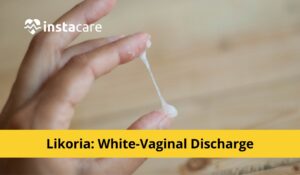
Leukorrhea
Definition, Causes, and Symptoms
Leukorrhea is the excessive discharge of vaginal secretions. It can be physiological (normal, clear to whitish, odorless, varying with the menstrual cycle) or pathological (abnormal, often due to infection or underlying condition).
Causes of pathological leukorrhea are most commonly infections, including Bacterial Vaginosis (BV), Candidiasis (Yeast infection), and Trichomoniasis. Non-infectious causes include allergic reactions to hygiene products, foreign bodies, and chronic cervicitis. Hormonal fluctuations are a cause of physiological leukorrhea.
Symptoms of pathological leukorrhea include discharge that is yellowish/greenish/greyish, has a fishy or foul odor, is excessive in amount, and is accompanied by itching, burning sensation, redness (erythema), or pain during intercourse (Dyspareunia).
Investigation and Treatment
Investigation involves a pelvic exam, testing the vaginal discharge for pH level, and a microscopic examination (wet mount) or culture to identify the causative organism.
Allopathy (Modern Medicine): Treatment targets the underlying cause, typically using antifungal medication (for candidiasis) or antibiotics (for BV or STIs like Chlamydia/Gonorrhea, which can cause cervicitis).
Homeopathy: Aims to address the patient’s individual presentation, often using remedies like Kreosotum, Sepia, or Pulsatilla based on the discharge’s color, consistency, odor, and accompanying symptoms like itching or backache.
Ayurveda (Shwetapradar): Considers it a Kapha and Vata imbalance. Treatment focuses on balancing doshas and local application (Sthanik Chikitsa). Therapies may include internal herbal medications to correct the root cause and local treatments like Yoni Dhavana (vaginal douche) with specific decoctions.
Diet Management: Focuses on maintaining a healthy vaginal environment. A diet rich in probiotics (yogurt, fermented foods) is helpful. Reducing consumption of refined sugars and processed foods, which can feed yeast, is often recommended. Maintaining good genital hygiene is paramount.
see more about
see more about this>>