
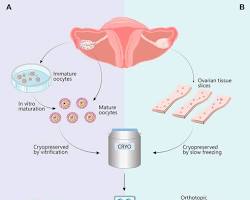
female infertility treatment
Management and treatment for female infertility are highly dependent on the cause, which often involves issues with ovulation, fallopian tubes, or the uterus. Treatment options can be grouped into three main categories: medications, surgery, and assisted reproductive technology (ART).
Here is an overview of the most common treatments:
1. Medications (Restoring Fertility)
Fertility drugs are primarily used to treat ovulation disorders by regulating or stimulating the release of eggs.
2. Surgical Procedures
Surgery is used to correct structural issues, clear blockages, or remove abnormal growths in the reproductive organs.
- For Fallopian Tube Issues: Surgery can repair blocked or scarred fallopian tubes, remove scar tissue (adhesions), or treat fluid buildup (hydrosalpinx).
- For Uterine Issues:
- Hysteroscopy or Laparoscopy is used to remove polyps, fibroids (like submucosal fibroids that distort the uterine cavity), or scar tissue (adhesions) inside the uterus.
- Myomectomy is a procedure to remove fibroids while preserving the uterus for future pregnancy.
- For Endometriosis: Laparoscopic surgery can remove endometrial tissue to improve the chances of conception.
- Laparoscopic Ovarian Drilling (LOD): A minor surgical procedure sometimes used for women with PCOS who do not respond to ovulation medication.
3. Assisted Reproductive Technology (ART)
ART procedures involve retrieving eggs and handling the egg and sperm in a laboratory setting.
- Intrauterine Insemination (IUI): Healthy, concentrated sperm are inserted directly into the uterus using a catheter around the time of ovulation. IUI is often timed with the woman’s natural cycle or with fertility medications.
- In Vitro Fertilization (IVF):
- Ovaries are stimulated with hormones to produce multiple eggs.
- Eggs are retrieved from the ovaries.
- Eggs are fertilized with sperm in a laboratory dish.
- One or more resulting embryos are transferred into the uterus.
- Intracytoplasmic Sperm Injection (ICSI): Often used as part of IVF, a single healthy sperm is injected directly into the egg, which is beneficial in cases of poor sperm quality or quantity.
- Third-Party ART: Involves the use of donor eggs, donor sperm, or a gestational carrier (surrogacy).
4. Lifestyle and Supportive Care
In addition to medical intervention, lifestyle factors are crucial:
- Healthy Weight: Maintaining a BMI within a healthy range is important, as being overweight or underweight can affect ovulation.
- Diet and Exercise: Eating a balanced diet and engaging in a moderate exercise routine can improve overall health and, in some cases, restore fertility.
- Avoidance of Toxins: Quitting smoking and reducing alcohol intake are highly recommended.
- Emotional Support: Infertility treatment can be emotionally challenging, so seeking support from a partner, support group, or mental health professional is often part of the comprehensive management plan.
It is important to consult a fertility specialist (Reproductive Endocrinologist) to determine the underlying cause of infertility and receive the most appropriate and effective treatment plan.